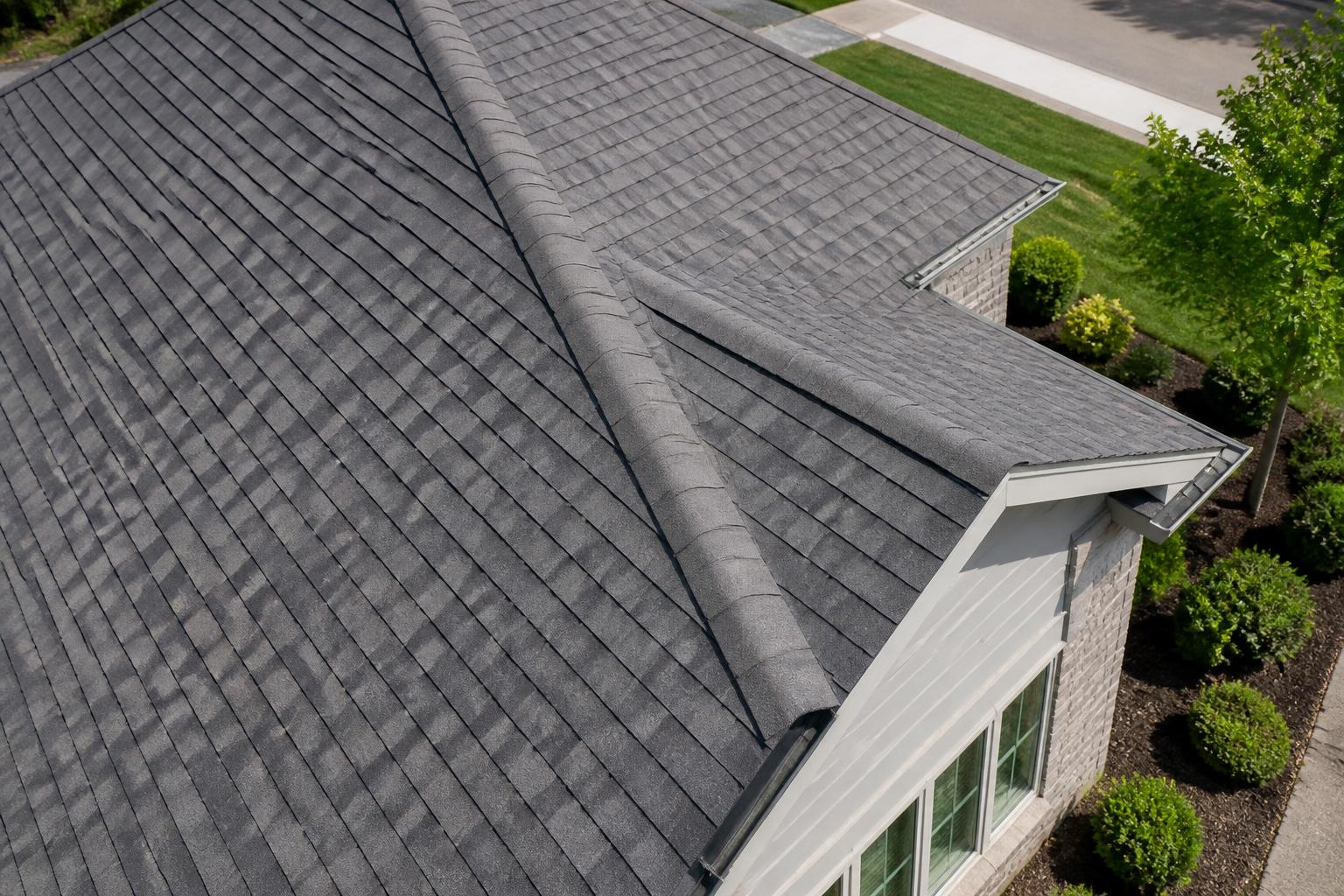
If you have noticed a ceiling stain, loose shingles, a slipped tile, or a small leak after a storm, your roof is asking for attention. A roof inspection helps find the source before the damage spreads to decking, insulation, or interior finishes.
Diego's Roofing Corp. checks roofs across Costa Mesa, CA with a clear, practical process that shows you what is sound, what needs repair, and what should be watched. If you need a straightforward inspection for a home, business, or HOA property, we can help you understand the condition of the roof and the next step.
A roof inspection is worth scheduling any time you see a change, hear a new sound, or notice materials shifting. Small issues often show up long before a leak becomes obvious indoors.
If a roof has already been repaired once, an inspection can also confirm whether the surrounding areas still look secure. That matters for shingle, tile, flat roof, and metal roof systems alike.
We look at the roof as a system, not just the surface material. That means checking the areas where wear usually starts and the places where one issue can lead to another.
We examine shingles, tile, flat roof surfaces, and metal roof sections for cracking, lifting, gaps, punctures, and signs of aging. The goal is to see whether the covering is shedding water the way it should.
Many roof leaks begin around penetrations and edges, not from the middle of the field. We inspect flashing, skylights, solar tubes, vents, and transitions where materials meet.
We also look at decking conditions, exposed wood, gutter areas, and spots that may need waterproofing or wood replacement. These supporting parts often explain why a roof is showing symptoms indoors.
At Diego's Roofing Corp., the inspection process is meant to be clear and useful. We look for visible damage, signs of wear, and conditions that call for repair or further monitoring. You do not need to guess what a stain or loose section means, because we explain what we see and what it suggests.
This approach helps property owners make decisions without unnecessary guesswork.
Not every roof issue starts with something dramatic outdoors. Sometimes the first clue is a change inside the building. If you notice one of these signs, an inspection is a smart next move.
These symptoms do not always point to the same cause. Water can travel along framing, around penetrations, or beneath roofing layers before it becomes visible indoors. An inspection helps trace the likely source rather than treating only the symptom.
Different roofing materials show wear in different ways. A roof inspection should account for the system you already have, because the warning signs on one roof type may look very different on another.
We look for missing tabs, lifted edges, granule loss, and areas where the surface has begun to age unevenly. Shingle roofs often reveal trouble through small sections first.
Tile can crack, shift, or loosen around walk paths, edges, and transitions. Underlayment and supporting materials matter as much as the visible tile, so we pay attention to both.
Flat roofs may show ponding-related wear, seam concerns, or punctures. Metal roofs can show loose fasteners, seam issues, or wear around penetrations. Each system needs a different eye for detail.
Roof inspection is useful for more than one kind of property. We work with residential, commercial, and HOA properties throughout Costa Mesa, CA and nearby Orange County areas.
For homeowners, the goal is peace of mind and early detection. For commercial properties, the inspection helps identify wear that could interrupt use or lead to interior damage. For HOA properties, a clear inspection can help identify roof conditions across multiple units or sections before small concerns become larger repair needs.
Because we also handle roof installation, roof repair, roof replacement, and related exterior services, an inspection can lead directly to the right next step when work is needed.
A good inspection should leave you with useful information, not confusion. After we review the roof, you will understand what condition it is in and what should happen next.
Diego's Roofing Corp. offers complimentary inspections and free quotes, so you can get a clear picture before making a decision about repair or replacement work.
A roof issue rarely stays in one place. A small opening can lead to soaked insulation, damaged wood, or interior staining. The earlier the inspection happens, the easier it is to limit the amount of work needed later.
That is especially true after you notice a change around skylights, solar tubes, gutters, or roof edges. These are common places where wear shows up first, and they are easy to overlook until a leak becomes visible. If you want a close look at your roof before the problem spreads, an inspection gives you answers quickly.
It reviews the roof surface, edges, flashing, penetrations, nearby drainage areas, and signs of wear on supporting materials. The purpose is to identify current concerns and areas that may need attention soon.
Yes. If water has already shown up indoors, an inspection helps narrow down the likely entry point and shows whether the damage is isolated or part of a wider issue.
They do. Shingle, tile, flat, and metal roofs each show wear differently, so the inspection has to match the material and the way that roof was built.
Yes, especially if you notice loose material, shifted tile, or new signs of wear afterward. A follow-up look can confirm whether the roof still appears secure.
Yes. Those features can be checked along with the surrounding roofing materials, because leaks often begin where different materials meet.
If you see staining, loose material, shifting tiles, a new interior odor, or any roof change you cannot explain, it is time to schedule one. Even without visible leaking, a roof that looks different deserves attention.
If you need a roof inspection in Costa Mesa, CA, Diego's Roofing Corp. is ready to take a close look and explain what your roof needs. Call +1 949-903-3723 to set up your inspection and get a clear read on the condition of your roof.