A ceiling stain, a missing shingle, or a damp attic after a storm can turn into a bigger repair fast. If you see water marks, loose tile, cracked flashing, or roofing that looks out of place, the next step is a careful roof repair visit before the damage spreads.
At Diego's Roofing Corp., we handle roof repair for homes and properties across Costa Mesa, CA with a focus on finding the source, explaining the problem clearly, and fixing the sections that need attention. We work on shingles, tile, flat roofs, and metal roofing, along with related issues such as decking, waterproofing, wood replacement, skylights, solar tubes, gutters, and roof washing when those parts affect the roof system.
Roof damage does not always show up as a dramatic leak. Many repair calls start with a small clue that is easy to ignore at first.
If a problem keeps returning after a quick patch, the source may be somewhere else on the roof. A careful inspection helps separate the visible symptom from the real cause.
Roof repair works best when the issue is traced before anything is opened up. We look at the roof surface, the surrounding details, and the inside signs that may point to a hidden entry point.
This process keeps the repair focused on the real issue instead of covering over a symptom that may return later.
Different roof systems fail in different ways, so the repair method has to match the material and the shape of the roof.
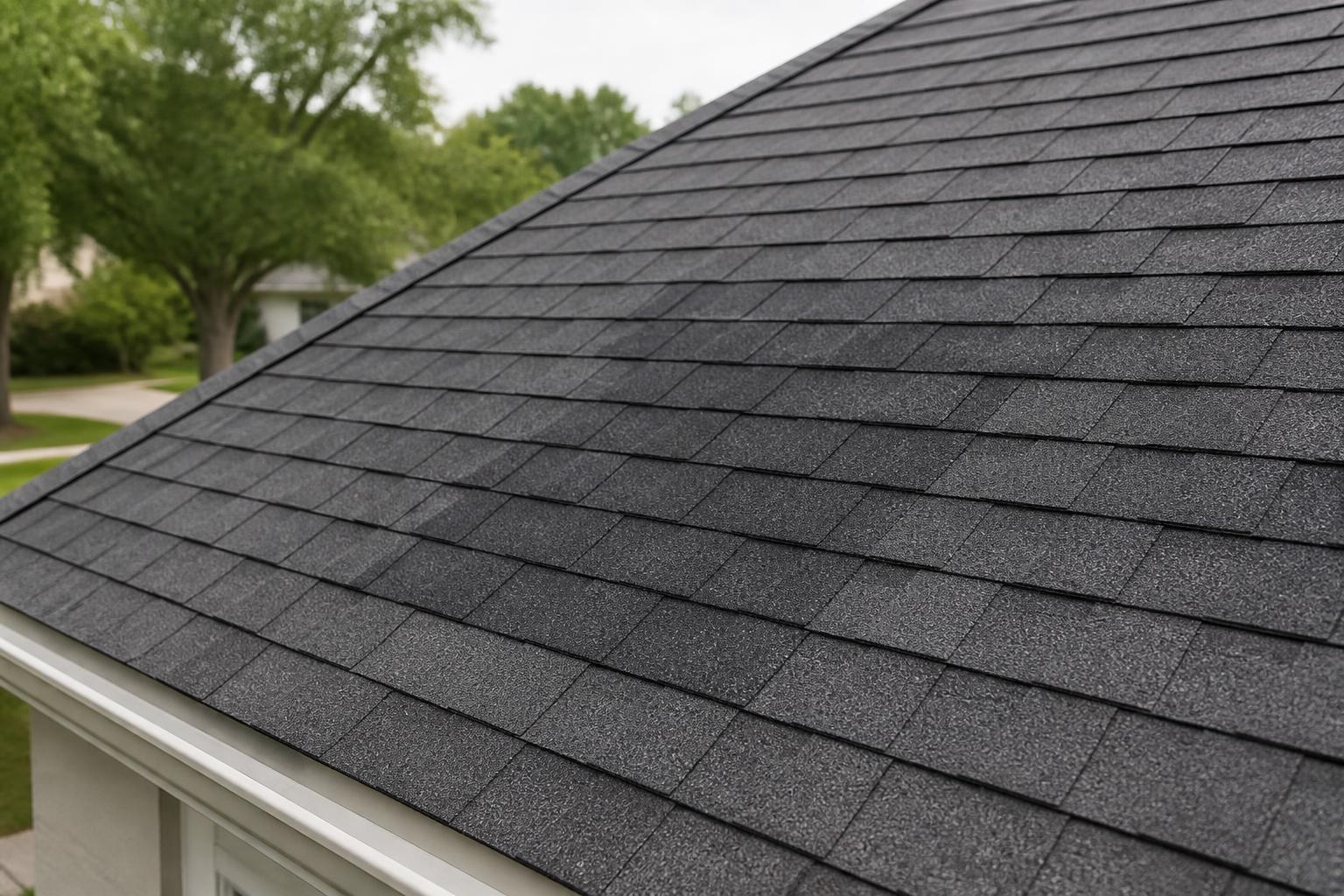
Shingle roofs can lose tabs, curl at the edges, or show damaged spots around penetrations and transitions. Repairs may involve replacing damaged shingles, tightening exposed areas, and addressing the underlayment or flashing below when needed.
Tile roofs often need attention where a tile is cracked, slipped, or broken near a valley or roof edge. Because tile systems protect layers beneath them, repair work may also include checking underlayment and adjacent pieces.
Flat roofs can show ponding areas, seam issues, punctures, or worn waterproofing. Repair work often centers on stopping moisture entry and reinforcing the affected section before it spreads.
Metal roofing may need repair where fasteners loosen, seams open, or a panel gets damaged. We look for the source of movement or exposure and address the area without disturbing sound sections nearby.
Roof damage usually starts with wear, movement, or exposure at a weak point. Knowing the cause helps you decide whether the problem is isolated or part of a larger pattern.
When the cause is clear, repair work can focus on the right section instead of chasing visible damage from one spot to another.
Homeowners often want to know how a roof repair visit actually unfolds. The process should be straightforward and easy to follow.
For homeowners with repeated trouble spots, roof inspection can also help show whether the repair should stay small or expand to a larger section.
Not every roof issue starts with a visible exterior problem. Sometimes the first clues appear inside the house, attic, or upper wall areas.
Watch for these signs:
These signs do not always point to the exact source, but they do tell you the roof needs attention before the affected area grows.
Some roof problems are limited to a section and can be addressed with repair. Others show that the surrounding materials are too worn for a simple patch.
A repair is often the better choice when the issue is isolated to one area, the surrounding materials are still sound, and the source is easy to reach. A larger replacement section may make more sense when several nearby spots have worn out, when decking is damaged, or when repeated leaks keep returning from different points.
We can explain the difference after a close look, so you understand what is necessary now and what can wait.
Diego's Roofing Corp. serves Costa Mesa, CA and nearby areas throughout Orange County, including Newport Beach, Irvine, Huntington Beach, Santa Ana, Tustin, Fountain Valley, Newport Coast, Laguna Beach, and surrounding communities. That matters because roof repair is easier to manage when the company understands the range of roof types common across the area and can respond with the right materials for the job.
Our work covers residential, commercial, and HOA properties, and we provide complimentary inspections and free quotes. If your roof has a leak, damaged section, or a spot that keeps worsening, we can take a close look and explain the next step clearly.
Water often travels before it shows up inside, so the stain may not sit directly below the opening. A roof inspection helps trace the path back to the entry point.
Yes. A loose shingle, cracked tile, or open seam can let water reach nearby layers and spread the damage beyond the first visible spot.
No. The right repair depends on the roof type, the location of the problem, and whether the damage affects flashing, underlayment, decking, or the surface material.
Past patch work can be useful, but it can also hide a deeper issue. We check whether the old repair still holds or whether the source has shifted nearby.
Yes. If the leak or damage comes from the area around a skylight or solar tube, we can examine the surrounding roofing details and repair the affected section.
Make the problem area easy to access, note when you first saw the signs, and share any recent changes such as stains, drips, or broken roof materials. That helps us focus on the right section faster.
If your roof has started showing signs of wear, Diego's Roofing Corp. is ready to inspect the problem and recommend a clear repair path for your Costa Mesa property.